
Full Tactical Gear Explained: What’s Included in a Professional Tactical Kit?
When people hear the term full tactical gear, they often picture heavy armor and military-style equipment. In reality, a professional tactical kit is far more strategic than it appears. Instead of being random equipment thrown together, it is a carefully organized system built for protection, mobility, communication, and survivability.
Whether you’re a security professional, preparedness enthusiast, or tactical gear buyer, understanding what belongs in a complete setup helps you invest wisely. More importantly, it ensures every piece of gear serves a specific purpose.
In this guide, we’ll explain what full tactical gear includes, how professionals structure their kits, and why proper configuration matters.
What Is Full Tactical Gear?
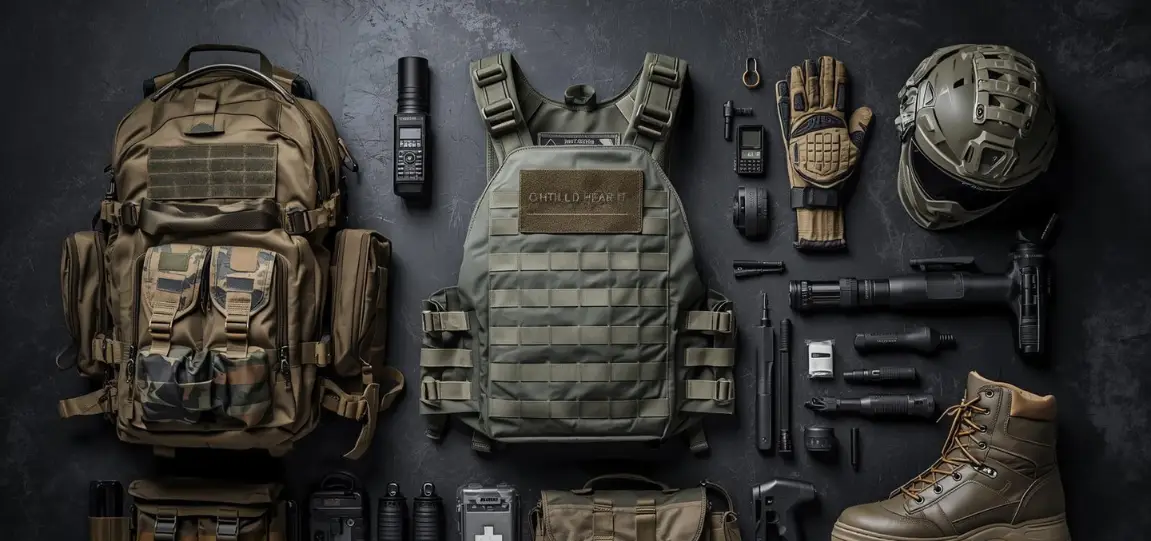
At its core, full tactical gear refers to a mission-ready equipment setup designed for high-performance environments. Unlike standard outdoor gear, tactical equipment prioritizes durability, modularity, and fast accessibility.
Generally speaking, a professional tactical kit includes:
- Protective armor
- Load-bearing systems
- Communication tools
- Medical supplies
- Navigation equipment
- Survival essentials
While the exact configuration depends on operational needs, the objective remains consistent: maximize readiness without sacrificing mobility.
Protective Equipment: The Foundation of Every Tactical Kit
First and foremost, protection forms the base layer of any professional setup. Without proper defensive equipment, the rest of the loadout loses effectiveness.
A ballistic helmet protects against impacts and fragmentation. In addition to basic protection, modern designs often support night vision mounts and integrated communication systems.
Next, the plate carrier serves as the central load-bearing armor system. Because it holds ballistic plates and modular pouches, it allows full customization based on mission requirements.
Inserted into the carrier, ballistic plates provide front and back protection. Depending on threat levels, users may select ceramic or steel options.
Eye protection shields against debris and environmental hazards. At the same time, electronic hearing protection reduces harmful noise while still allowing clear communication.
To complete this layer, tactical gloves preserve dexterity and grip, whereas high-quality boots provide ankle support and traction in demanding terrain.
Weapons Platform and Essential Accessories
Although weapon configurations vary depending on local regulations and professional roles, most tactical kits revolve around a primary and secondary platform.
Typically, the primary platform consists of a rifle configured for reliability and accuracy. Meanwhile, the secondary platform is usually a handgun carried as a backup option.
To enhance performance, professionals often add:
- Optics for rapid target acquisition
- Weapon-mounted lights for low-light visibility
- Sling systems for retention and stability
- Extra magazines for sustained readiness
- Retention holsters for secure carry
Together, these components improve efficiency, control, and response speed.
Load-Bearing Equipment and Weight Distribution
Beyond protection and weapon systems, load management plays a crucial role in overall performance. Poor weight distribution can reduce mobility and cause fatigue during extended use.
A reinforced tactical belt allows quick access to essential tools such as a holster or medical kit. Because belt-mounted gear remains accessible, it serves as the first line of equipment.
For lighter missions, some professionals prefer a chest rig instead of full armor. This alternative reduces weight while maintaining ammunition capacity.
MOLLE systems further increase flexibility. Through modular attachment points, users can position pouches exactly where needed.
When extended operations are required, a tactical backpack carries sustainment gear. Hydration systems, food supplies, and backup equipment are typically stored in this third layer.

Communication Systems: Maintaining Operational Control
Clear communication remains essential in any professional tactical environment. Without it, coordination becomes difficult and risk increases.
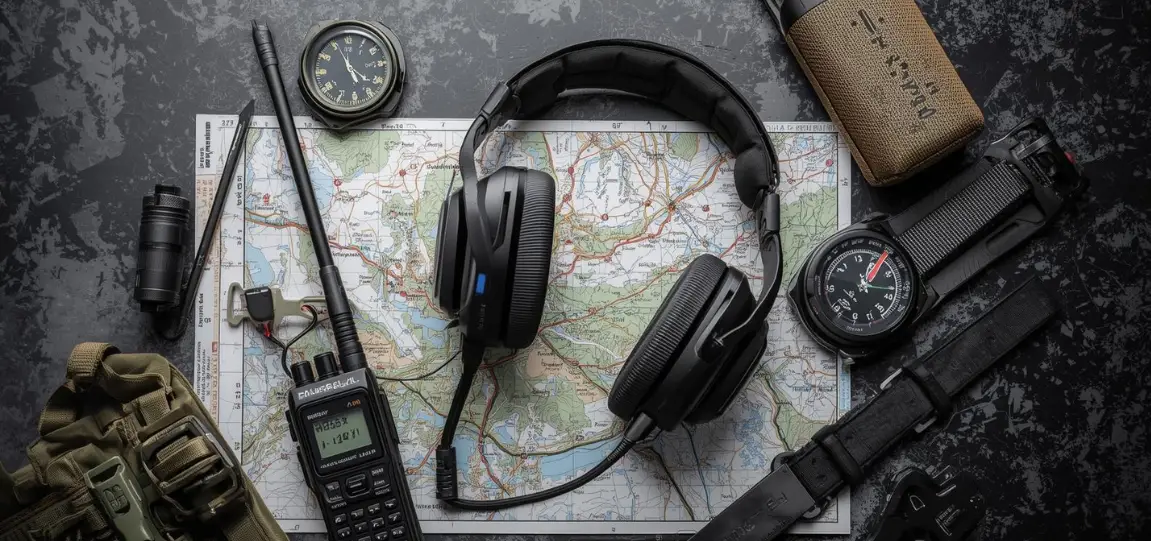
Two-way radios provide dependable field communication. In addition, push-to-talk systems enable hands-free operation during movement.
Earpieces or tactical headsets improve clarity while preserving situational awareness. Because electronic devices can fail, spare batteries are commonly included for redundancy.
Medical Gear: A Non-Negotiable Component
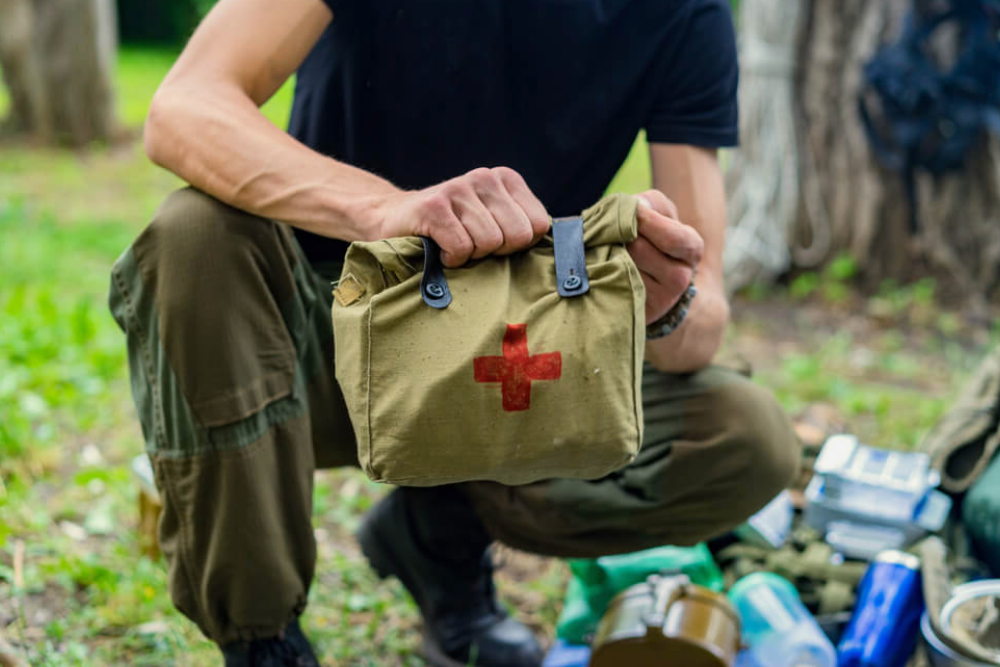
Regardless of mission type, medical preparedness is mandatory. A professional tactical kit always includes a trauma-focused setup.
An Individual First Aid Kit (IFAK) typically contains:
- Tourniquet
- Pressure bandage
- Hemostatic agent
- Chest seals
- Trauma shears
Accessibility is critical. For that reason, most operators mount their IFAK on a belt or plate carrier for immediate reach.
Equally important, training determines effectiveness. Even the best medical equipment becomes useless without proper knowledge.
Navigation and Situational Awareness Tools
Despite advances in digital technology, layered navigation remains the safest approach.
A GPS device offers precise positioning in unfamiliar terrain. However, a traditional compass provides a reliable non-electronic backup.
Waterproof map cases protect physical maps from environmental damage. Additionally, a tactical watch may include features such as an altimeter or compass for added awareness.
By combining electronic and manual tools, professionals reduce the risk of total system failure.
Survival and Utility Essentials
Beyond combat-focused equipment, survival tools complete the kit.
For instance, a tactical knife provides versatile cutting capability. Similarly, a multi-tool assists with field repairs and quick adjustments.
Flashlights or headlamps ensure visibility in low-light conditions. Furthermore, fire starters and emergency blankets provide environmental protection.
Hydration systems and water purification solutions extend operational endurance. As a result, professionals can sustain themselves longer in challenging environments.

How Professionals Organize Their Tactical Gear
Rather than attaching gear randomly, experienced operators follow a layered system.
Layer One: Immediate Access
- Sidearm
- IFAK
- Communication device
- Essential belt tools
Layer Two: Core Armor and Ammunition
- Plate carrier
- Rifle magazines
- Admin pouch
Layer Three: Sustainment Equipment
- Backpack
- Extra hydration
- Food supplies
- Backup medical gear
This structured approach improves efficiency while maintaining balance and mobility.
Common Mistakes When Building a Professional Tactical Kit
Many beginners focus heavily on appearance. As a result, they often overload their setup with unnecessary gear.
Another frequent mistake involves neglecting weight distribution. Excess weight reduces speed and endurance over time.
Low-quality equipment also creates reliability issues. Therefore, investing in durable, field-tested gear remains essential.
Finally, skipping regular maintenance can compromise performance. Routine inspections ensure everything functions properly when needed.
Final Thoughts: What’s Included in Full Tactical Gear?
Ultimately, full tactical gear combines protection, communication, medical capability, navigation tools, and survival equipment into one organized system. Each component serves a defined purpose within the broader setup.
When built correctly, a professional tactical kit enhances readiness without limiting mobility. By focusing on mission requirements, quality equipment, and consistent training, users can create a balanced and effective loadout.
Preparation, after all, is what transforms equipment into true tactical capability.






Leave a Reply