What Is Military Tactical Gear and How Is It Used?
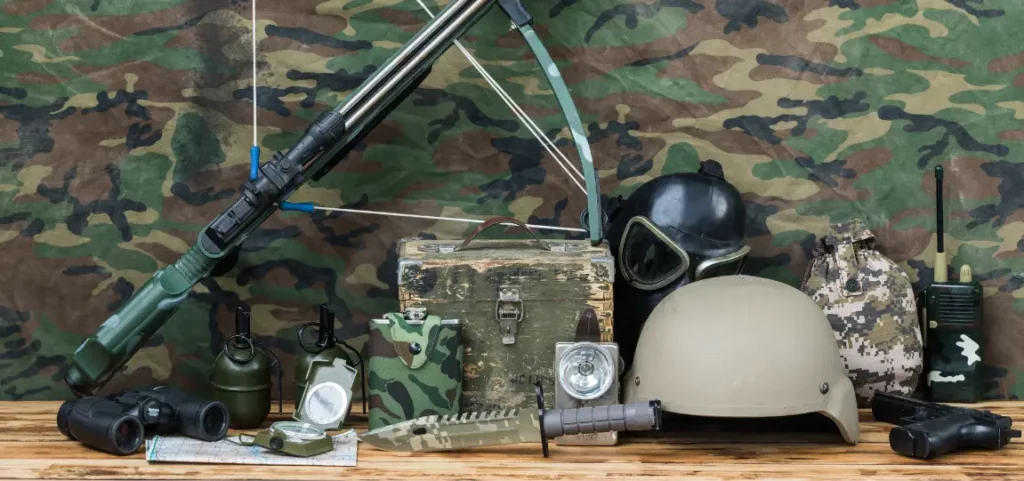
Military tactical gear plays a critical role in modern armed forces operations. It enhances protection, mobility, communication, and overall mission effectiveness. While many people associate tactical gear with combat uniforms or body armor, the concept is much broader and more complex.
In reality, military tactical gear includes everything soldiers carry, wear, or use to complete missions safely and efficiently. Moreover, each piece of equipment serves a specific purpose. From protective armor to communication systems, every component contributes to operational success.
This guide explains what military tactical gear is, how it is used, and why it remains essential in modern military strategy.
What Is Military Tactical Gear?
Military tactical gear refers to specialized equipment designed for combat readiness and operational performance. Armed forces issue this gear to enhance survivability, coordination, and efficiency in demanding environments.
Unlike standard outdoor equipment, military gear must meet strict performance standards. Manufacturers test it under extreme heat, cold, moisture, and impact conditions. As a result, it delivers consistent performance when failure is not an option.
Military tactical gear typically includes:
- Combat uniforms
- Body armor systems
- Helmets
- Load-bearing equipment
- Communication devices
- Medical kits
- Navigation tools
- Mission-specific accessories
Each category supports a different operational need.
Body Armor and Ballistic Protection
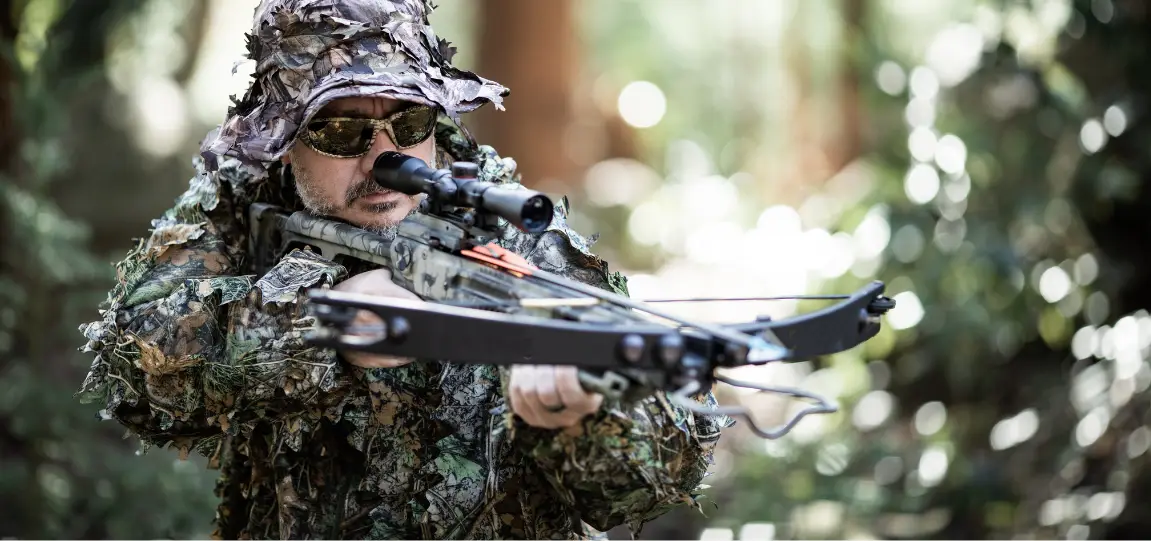
One of the most important components of military tactical gear is body armor. Soldiers rely on armor systems to protect vital organs from ballistic threats and fragmentation.
Modern body armor systems typically include:
- Plate carriers
- Ceramic or composite ballistic plates
- Soft armor inserts
Plate carriers allow modular customization. Soldiers can attach pouches, medical kits, and communication devices directly to the carrier. Consequently, they maintain quick access to essential equipment.
In addition, ballistic helmets protect against shrapnel and blunt force trauma. Many helmets also support night vision devices and communication headsets.
The Core Purpose of Military Tactical Gear
Military tactical gear exists to solve real battlefield challenges. Specifically, it aims to:
- Protect personnel from ballistic and environmental threats
- Improve movement and endurance
- Enhance coordination between units
- Increase situational awareness
- Support rapid medical response
Therefore, tactical gear is not decorative. Instead, it is mission-driven and performance-focused.
Combat Uniforms and Clothing Systems
Combat uniforms form the foundation of military tactical gear. They provide durability, concealment, and comfort during extended operations.
Modern uniforms use ripstop fabrics that resist tearing. Additionally, moisture-wicking materials help regulate body temperature during high physical activity. Reinforced stitching strengthens high-stress areas such as knees and elbows.
Camouflage patterns vary depending on terrain. For example, desert environments require lighter tones, while woodland regions demand darker patterns. This adaptability allows soldiers to blend into different operational environments.
Load-Bearing Equipment and Modular Systems
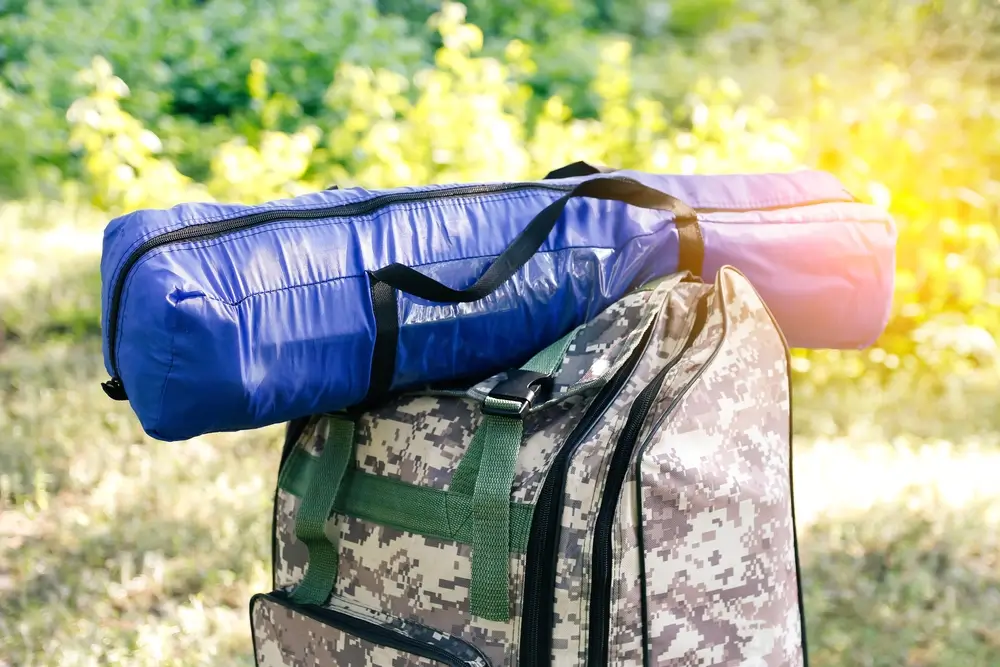
Load-bearing equipment enables soldiers to carry ammunition, medical supplies, tools, and communication devices efficiently.
Common systems include:
- Tactical vests
- Chest rigs
- Battle belts
- Modular pouch systems
Most modern systems use MOLLE webbing. This design allows soldiers to rearrange pouches based on mission requirements. For instance, reconnaissance missions may prioritize optics and communication gear, while combat missions emphasize ammunition accessibility.
Because of this modular design, military tactical gear adapts to changing operational needs.
Communication Equipment
Effective communication ensures coordinated action. Therefore, military tactical gear always includes communication systems.
Soldiers use encrypted radios and push-to-talk devices to maintain secure contact. Headsets reduce environmental noise and improve clarity during combat.
Reliable communication reduces confusion. Furthermore, it improves reaction speed and tactical decision-making. In high-risk situations, clear communication often determines mission success.
Tactical Medical Equipment
Medical preparedness plays a vital role in military operations. Each soldier typically carries an Individual First Aid Kit (IFAK).
These kits focus on trauma care rather than minor injuries. Common items include:
- Tourniquets
- Pressure bandages
- Hemostatic agents
- Chest seals
- Medical gloves
Rapid bleeding control significantly increases survival rates. Therefore, tactical medical gear remains one of the most critical components of military equipment.
Navigation and Situational Awareness Tools
Military personnel must navigate unfamiliar terrain under stressful conditions. As a result, navigation tools form a key part of tactical gear.
Soldiers use:
- Compasses
- Physical maps
- GPS devices
- Digital tracking systems
Although electronic systems offer advanced capabilities, soldiers also carry non-electronic backups. This redundancy ensures navigation remains possible even if batteries fail.
How Military Tactical Gear Is Used in Operations
Military tactical gear configurations vary depending on the mission type. However, the underlying goal remains consistent: maximize effectiveness while minimizing risk.
Combat Operations
In active combat, soldiers prioritize ballistic protection and ammunition accessibility. They configure plate carriers with necessary pouches and ensure communication systems remain secure and functional.
Reconnaissance Missions
Reconnaissance units emphasize mobility and stealth. Therefore, they carry lighter loadouts and reduce unnecessary weight. Additionally, they prioritize optics and communication equipment.
Peacekeeping and Security Operations
During peacekeeping missions, soldiers often focus on communication, crowd management tools, and medical readiness. The gear setup reflects the lower threat level while maintaining preparedness.
Disaster Response and Humanitarian Missions
Military units frequently assist in disaster relief. In these cases, personnel carry medical kits, communication devices, and logistical equipment instead of combat-focused gear.
Thus, military tactical gear remains flexible and adaptable across various operational scenarios.
Military Tactical Gear vs Civilian Tactical Gear
Although many civilians purchase tactical equipment, military-grade gear differs significantly in testing and certification standards.
Military gear must meet strict durability and performance requirements. In contrast, civilian tactical gear often prioritizes affordability and general utility.
However, civilians still use tactical equipment for:
- Emergency preparedness
- Outdoor survival
- Security professions
- Training purposes
Understanding the differences helps buyers make informed decisions.
Advantages of Military Tactical Gear
Military tactical gear offers several key advantages:
First, it provides high durability. Manufacturers build it to withstand extreme environments.
Second, it supports modular customization. Soldiers can reconfigure equipment based on mission requirements.
Third, it improves survivability through ballistic and medical support systems.
Finally, it enhances coordination and situational awareness.
Because of these benefits, military tactical gear remains central to modern defense strategy.
Common Misconceptions About Military Tactical Gear
Some people believe tactical gear is only about weapons. However, the majority of military equipment focuses on protection, communication, and logistical support.
Others assume more gear always improves safety. In reality, excessive weight reduces mobility and endurance. Therefore, military planners carefully balance protection and performance.
Frequently Asked Questions
What is considered military tactical gear?
Military tactical gear includes combat uniforms, body armor, helmets, load-bearing systems, communication devices, medical kits, and navigation tools used by armed forces.
Why is military tactical gear modular?
Modularity allows soldiers to customize equipment for specific missions. As a result, they can adapt quickly to changing environments and threat levels.
Is military tactical gear legal for civilians?
In many countries, civilians can legally purchase tactical clothing and non-restricted equipment. However, laws vary regarding ballistic protection and certain items.
How does military tactical gear improve survivability?
It protects against ballistic threats, improves communication, enables rapid medical response, and enhances mobility. Together, these factors significantly increase survival chances.
What is considered military tactical gear?
Military tactical gear includes combat uniforms, body armor, helmets, load-bearing systems, communication devices, navigation tools, medical kits, and mission-specific accessories used by armed forces.
What is the main purpose of military tactical gear?
The main purpose is to improve protection, mobility, communication, and operational effectiveness during military missions. It enhances survivability while maintaining performance under extreme conditions.
How is military tactical gear different from regular outdoor gear?
Military tactical gear must meet strict durability and performance standards. Unlike regular outdoor gear, it is tested for ballistic resistance, extreme weather conditions, and combat reliability.
What materials are used in military tactical gear?
Manufacturers use high-strength materials such as ripstop fabrics, ballistic nylon, ceramic or composite plates, Kevlar, and reinforced polymers. These materials increase durability and resistance to damage.
Why do soldiers use modular tactical systems?
Soldiers use modular systems because they allow customization based on mission requirements. For example, a reconnaissance mission may require lighter gear, while combat operations demand additional protection and ammunition storage.
What is a plate carrier in military tactical gear?
A plate carrier is a load-bearing vest designed to hold ballistic plates. It protects vital organs while allowing soldiers to attach pouches and essential equipment.
Conclusion
Military tactical gear represents a carefully engineered system designed to protect personnel and enhance operational effectiveness. Every component serves a defined purpose, from ballistic armor to communication systems and medical kits.
Moreover, its modular design ensures adaptability across diverse missions, including combat, reconnaissance, peacekeeping, and disaster response.
Ultimately, military tactical gear is not about appearance. Instead, it is about preparation, performance, and survivability in high-risk environments.